

Why Strength Training, Not Just Cardio, Is Growing, Particularly Among Women of All Ages Introduction
Strength training has evolved from a specialised activity to one of the most well-liked fitness activities among women globally in recent years. Lifting weights and resistance training are now essential components of female fitness regimens, regardless of age, body shape, or objectives. They are no more merely a “men’s workout”.
Today’s women are embracing strength training for physical empowerment, health benefits, and general well-being, dispelling antiquated beliefs about it. In this article, we’ll examine the reasons why strength training is so popular, especially among women, and analyse the strong arguments that support this trend.
1. Dispelling Myths: Cardio vs. Strength Training Cardio Isn’t Enough
For many years, women were primarily advised to control their weight and health by engaging in cardio activities like cycling, running, or aerobics. The advantages of strength training cannot be replaced by cardio, even if it is still crucial for heart health.
Strength training has benefits that cardio alone cannot match, such as increasing muscle mass, improving metabolism, and promoting structural health. For complete fitness, women are increasingly adopting balanced regimens that incorporate both cardio and strength training.
Trendechos
Myth: “Women Will Get Bulky from Strength Training”
A common concern among women is that lifting weights may make them appear “too muscular”. However, unless specifically trained for, significant bulk isn’t likely to occur because women naturally have less testosterone than men. Instead, the majority of women gain more functional strength, tone, and lean muscle.
2. Fundamental Advantages Fuelling the Trend
2.1 Enhanced Functional Fitness & Strength Strength training significantly improves muscle strength, enabling women to carry infants and move groceries easily, among other daily duties. Regular resistance training can greatly boost a woman’s strength.
2.2 Increases Fat Loss and Metabolism
Your body burns more calories even when you’re at rest since gaining muscle raises your resting metabolic rate. More energy is needed for stronger muscles, which helps women maintain their weight and shed fat more effectively than aerobics alone.
2.3 Improved Bone Health and Prevention of Osteoporosis
Bone strength is one of the most significant health advantages for women. Osteoporosis and decrease of bone density are more common in women, particularly after menopause. By promoting bone formation, resistance training helps preserve skeletal strength and lower the risk of fracture.
The Neurobiology Centre at UCLA
2.4 Better Body Composition
Strength training transforms the body by increasing lean muscle and decreasing fat, in contrast to cardio, which primarily burns calories. A tighter, more toned physique results from this shift in body composition, frequently without significant changes in scale weight.
Today’s Science News
2.5 Increased Self-Assurance in Mental Health
Strength training has been associated with happier moods, less anxiety, and more self-assurance. Women are empowered both inside and beyond the gym by the psychological strength that comes from lifting, both literally and figuratively.
2.6 Increased Vitality & Better Sleep
Frequent strength training can boost energy levels all day long and improve the quality of your sleep. Recuperation, mood control, and general wellness are all supported by better sleep.
3. The Reasons Women Are Using Strength Training in Particular
3.1 Health Advantages for All Ages
Strength training benefits women of all ages, not just young ones. Strength training promotes long-term health by boosting metabolism in younger individuals and preventing muscle loss in older women.
3.2 Preventing Age-Related Bone and Muscle Loss
Around age 30, muscle and bone density begin to decrease, and this decline picks up speed after menopause. By delaying this deterioration, strength training maintains independence, strength, and mobility.
The Neurobiology Centre at UCLA
3.3 Improved Hormonal and Metabolic Health
Strength training improves cardiovascular health, lowers the risk of type 2 diabetes, and controls blood sugar—benefits that are especially important for women who experience certain hormonal fluctuations throughout their lives.
The Indian Times
3.4 Handling Health Issues Particular to Women
Women dealing with hormonal imbalances like PCOS or menopause symptoms often find strength training helpful in managing symptoms and improving overall well-being. Frequent resistance training can improve energy levels and hormone control.
Shots of health
4. Supporting Trends: Accessibility, Communities, and Technology
4.1 Customised Training & Wearable TechnologyThese days, fitness applications and wearable technology can monitor strength development just as well as heart rate or steps. Strength training is now more accessible and data-driven, which encourages women to comfortably experiment with this type of exercise.
4.2 Fitness Communities Run by Women
The demystification of strength training has been greatly aided by social media influencers, women-only training clubs, and online forums. These groups assist women overcome intimidation and maintain consistency by offering encouragement, knowledge, and support.
4.3 Flexible Training Formats & Virtual Coaching
Women may customise strength training to match hectic schedules with on-demand programs and online instruction. Strength training becomes more feasible for mothers and working women with short, effective workouts like the 2-2-2 approach.
Home & Woman
5. Common Issues Women Still Face (and How They’re Resolved) Fear of “Bulking Up”
As previously said, bulking is a common concern among women. In actuality, though, most women won’t naturally grow big muscles without specialised training. Lean muscle and better body shape are the results of strength training for most people.
5.2 Insufficient Self-Assurance at the Gym
Gyms were once dominated by men, but this is quickly changing. Group courses and women-only gyms are boosting comfort and engagement, and more women are claiming space in strength areas.
5.3 Time Limitations
Strength training used to be discouraged by busy schedules, but more recent short-form exercises and adaptable regimens make it simpler for women to include strength training into their daily lives.
Home & Woman
6. Strength Training for Various Age Groups
6.1 Young Adults and Teens
Strength training enhances athletic performance, promotes metabolic health, and helps young women develop strong bones. A lifetime dedication to fitness is also encouraged by early habits.
Strength exercise enhances functional strength for everyday living, helps manage weight, and combats a slowing metabolism in this age range.
Strength training helps women over 40 preserve their independence and quality of life by increasing bone density, lowering their risk of age-related disorders, and improving their balance.
7. Actual Narratives Driving the Trend
The inspirational stories of women who have used strength training to improve their confidence and health are becoming more widely known. Stories about women who have significantly reduced their weight, gained strength, and participated in bodybuilding or fitness competitions, for instance, inspire others to do the same.
The Navbharat Times
8. Strength Training Advice for Women Just Starting Out
8.1 Acquire Correct Form
Put technique ahead of large weights; good form lowers the chance of injury and speeds up development.
8.2 Begin with Compound Motions
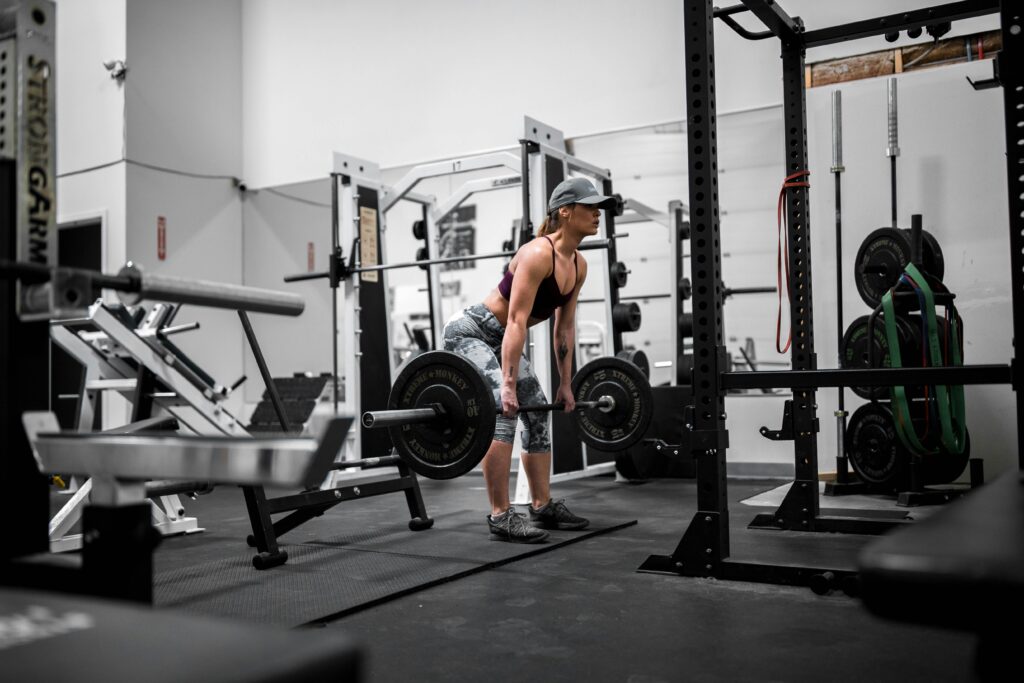
Exercises that work numerous muscular groups and yield effective results include squats, deadlifts, push-ups, and rows.
8.3 Plan two to four sessions per week.
Significant improvements can be achieved with just a few sessions per week.
8.4 Combine It With a Well-Balanced Diet
Consuming enough calories and protein is essential for strengthening and repairing muscles.
8.5 Monitor Development
Monitoring your strength increases with journals or apps can help you stay consistent and motivated.
9. Strength Training: Beyond Beauty
Strength training affects not only your appearance but also your emotions and abilities:
Improved balance and posture
Decreased chance of harm enhanced mental acuity
Increased self-assurance Healthier, longer life Hydrow
Many women feel powerful in all facets of their lives when they are physically strong.
In conclusion
Strength training is becoming more and more popular among women, but it’s a movement with genuine advantages that is changing how society views femininity and fitness. Women are learning that strength training improves resiliency, resilience, health, and quality of life in addition to aesthetic outcomes.
Strength training may change your body and mind, regardless of your level of experience. It’s time to let go of outdated beliefs and embrace the strength that comes from pushing, lifting, and strengthening because everyone can be stro